
Published on:
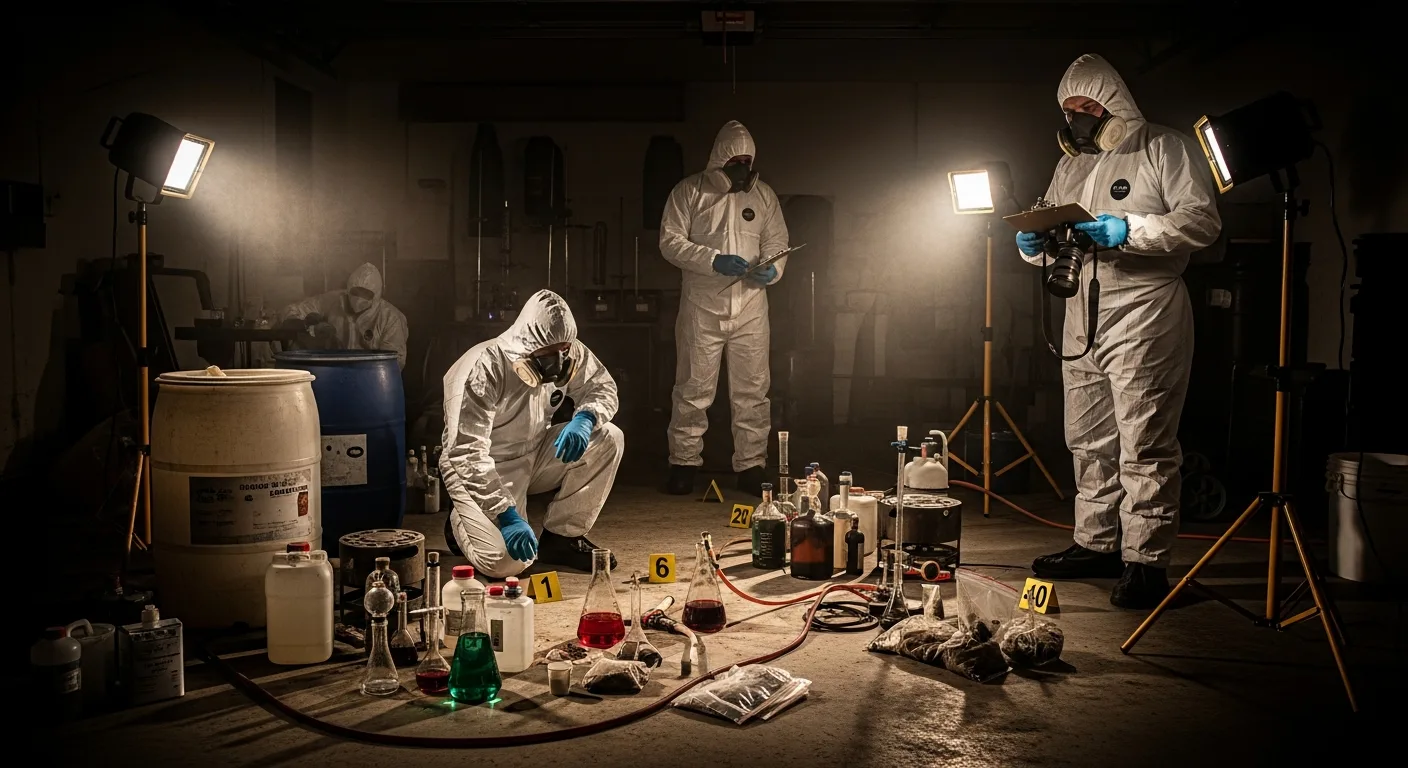
Of all the drug charges that come through the system, methamphetamine manufacturing stands apart. A simple possession case is about a substance. A manufacturing case is about a process, and that process involves volatile, poisonous chemicals capable of catching fire, exploding, or sickening everyone in the building. Law enforcement does not treat a suspected meth lab the way it treats a baggie in a glovebox. They treat it as a hazardous scene, and that difference echoes through every part of the case, from the charges to the bail to a cleanup bill that can follow a defendant long after the criminal matter is resolved.
Families dealing with one of these cases are often frightened and confused, because the charge sounds catastrophic and the bail reflects it. This guide explains how Florida charges meth manufacturing, why a lab drives the bond so high, the hazmat cleanup liability that surprises people, and the realistic path to securing release.
How Florida Charges Meth Manufacturing
Manufacturing methamphetamine is prosecuted under Florida's controlled substances law as a serious felony. Manufacturing means producing, preparing, or processing the drug, and it covers running a lab of any size. The base charge is typically a second-degree felony punishable by up to 15 years in prison, and it can climb to a first-degree felony when enhancements apply.
What makes these cases escalate quickly is the surrounding circumstances, which are common at meth lab scenes:
- Proximity to protected places. Manufacturing near a school, church, park, or daycare triggers enhanced penalties.
- Children present. When kids live in or are present at the lab location, child endangerment charges are routinely added, which judges view with particular severity.
- Trafficking quantities. Larger amounts push the case toward trafficking, with the mandatory minimums that accompany it, similar to the structure in fentanyl trafficking cases.
- Weapons or other drugs. Firearms or additional controlled substances at the scene stack further charges.
Like the state-versus-federal dynamic in marijuana cultivation cases, a large or sophisticated meth operation can also attract federal prosecution, which changes the release process entirely.
Why a Lab Drives Bail So High
When a judge sets bail, the two central concerns are flight risk and danger to the community. A meth lab speaks directly to the second. The production of methamphetamine creates explosive and toxic conditions that endanger neighbors, first responders, and children. A judge looking at a manufacturing charge sees not just a drug crime but an active public-safety hazard, and that perception pushes the bond upward.
The Hazmat Cleanup Liability
Here is the consequence that catches almost everyone off guard. A methamphetamine lab leaves behind hazardous chemical contamination. The chemicals used and the waste produced are toxic, and the site cannot simply be cleaned with a mop and bucket. It requires specialized hazardous-materials remediation performed by trained crews following environmental safety rules, and that work is expensive.
Florida law allows the cost of that cleanup to be imposed on a convicted defendant, whether as restitution or as a separate assessment. These cleanup costs can run into thousands of dollars, sometimes far more for a heavily contaminated property. This liability is entirely separate from the prison exposure, the fines, and the bail. It is a financial weight that can attach to the case and follow the defendant well after the criminal proceedings end.
How Bail Works in These Cases
Despite the high numbers, the bail process itself follows the familiar Florida path. At first appearance, the judge reviews the charges and any enhancements and sets bail or, in the most serious cases, considers whether the defendant should be held. Because manufacturing is a bondable offense in the typical case, a bond is usually set, though a high one.
A licensed bail bond agent can post a surety bond for the standard premium once the amount is set. For the high bonds these cases generate, agents can discuss using collateral or arranging payment terms, the same tools used for other serious felony bonds. The practical priority is getting the defendant released so they can participate in their defense, which in meth cases often involves challenging the evidence about what was actually being produced and in what quantity.
What Families Should Do
- Hire a criminal defense attorney experienced in drug manufacturing cases. These cases turn on chemical evidence, lab analysis, and the specifics of the enhancements, and they require specialized defense experience.
- Prepare for a high bond. Connect with a bail agent early and gather information about collateral or co-signers so release can happen as soon as the amount is set.
- Understand the three financial layers. Plan for bail, potential criminal penalties, and the separate hazmat cleanup liability so none of them is a surprise.
- Address child-related charges seriously. If children were present, the child endangerment counts can be as consequential as the drug charge, and they affect both bail and the broader family situation.
- Say nothing to investigators without counsel. Statements about the operation, the chemicals, or who was involved can deepen the exposure dramatically.
Frequently Asked Questions
Is manufacturing methamphetamine a felony in Florida?
Yes, and a serious one. It is charged as a felony, typically second-degree punishable by up to 15 years, and can rise to first-degree with enhancements. It escalates when manufacturing occurs near a school, when children are present, or when quantities reach trafficking levels. Because it involves toxic, explosive chemicals, it is treated as a public-safety threat.
What are hazmat cleanup fees in a meth lab case?
Meth production creates hazardous chemical waste, and decontaminating the site requires specialized remediation. Florida law allows those cleanup costs to be imposed on a convicted defendant as restitution or a separate assessment. They can run into thousands of dollars and are separate from the criminal penalties and bail, making them a hidden cost of these cases.
How much is bail for manufacturing methamphetamine?
Typically high, often into the tens of thousands of dollars, and higher with enhancements like a school zone, children present, weapons, or trafficking quantities. Judges weigh community danger heavily. A licensed agent can post a surety bond for the standard premium once the amount is set, and for very high bonds can discuss collateral and payment arrangements.
Facing a High Manufacturing Bond?
High felony bonds are exactly what licensed bail agents handle. Connect with one who can post the bond and discuss collateral and payment options today.
Find a Bail Bondsman Now