
Published on:
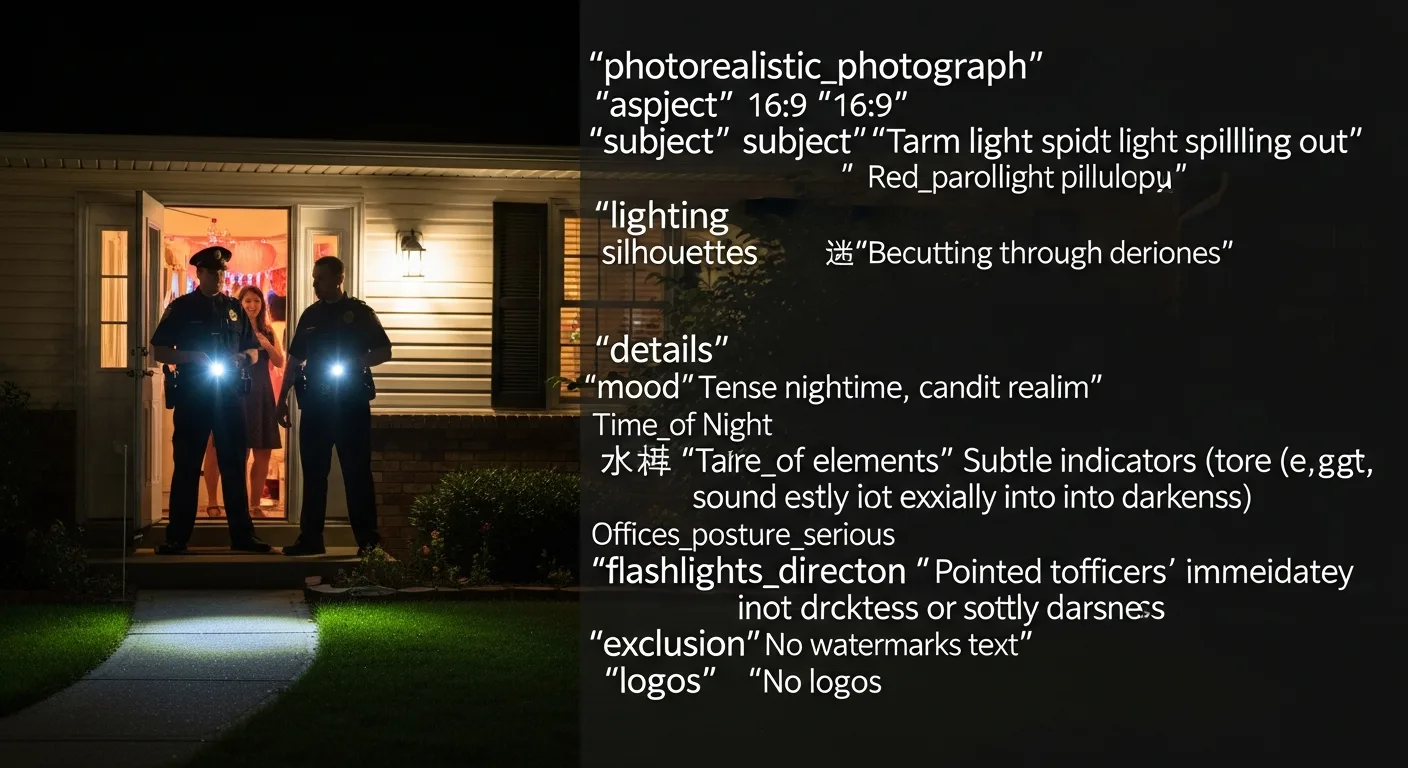
A noise complaint is one of the most routine calls a Florida officer responds to, and the overwhelming majority resolve in two minutes with a polite request to keep it down. That is worth saying clearly, because the people who end up arrested at a party are almost never arrested for the noise. They are arrested for what happened after the officers arrived: an argument at the door, a refusal to cooperate, a shove, or the discovery that minors were drinking inside. The noise gets the police to the house. Something else gets someone booked.
Understanding that distinction is the whole point of this guide. If you know how a loud party actually escalates into charges, you know how to keep it from happening, and you know what you are dealing with if it already has. We will walk through the charges that can come out of a party call, the special trap of Florida's open house party law, how bail works, and the simple choices at the door that keep a noise complaint from becoming a criminal case.
The Noise Complaint Itself Is Rarely the Crime
A loud party usually implicates a local noise ordinance, which is a municipal or county code provision setting limits on sound at certain hours. A noise ordinance violation is typically a civil or low-level matter handled with a warning or a citation, not an arrest. Officers responding to a first noise complaint almost always start by asking the host to lower the volume. Compliance ends the encounter.
The arrests come from escalation, and there are a handful of common paths.
The Charges That Can Follow
Disorderly Conduct
If the party, or a person at it, becomes a breach of the peace, officers can charge disorderly conduct, a second-degree misdemeanor. Shouting matches, fights spilling into the yard, or aggressive behavior toward neighbors or police can cross this line. It is a discretionary charge, which means the officer's read of the scene matters.
Resisting an Officer
This is the single most common way a party call turns into an arrest. A host or guest who argues, refuses lawful commands, pulls away, or physically interferes can be charged with resisting an officer, which ranges from a misdemeanor without violence to a felony if force is used. The frustrating reality is that this charge often would not exist if the person had simply complied.
Open House Party Violation
If minors were drinking at the party, the adult who controls the residence can face a charge under Florida's open house party law, discussed in detail below. This is a charge against the host, not the drinker.
Drug and Alcohol Charges
Once officers are lawfully at the scene, anything in plain view can generate charges. Drugs on a table, underage guests with alcohol, or other violations can each add counts, the same dynamic seen at large events like music festivals.
Battery
If the escalation turns physical, whether a fight among guests or a host putting hands on an officer, battery charges can attach and quickly turn a misdemeanor night into a felony one.
The Open House Party Trap
How Bail Works
The good news for most party-related arrests is that the charges are misdemeanors, and the bail reflects that. The typical picture:
- Many people are released on a notice to appear without ever posting a bond.
- When a bond is set for disorderly conduct or a similar misdemeanor, it tends to be low, often a few hundred dollars.
- Release on recognizance is common for first-time defendants with local ties.
The picture changes when the arrest involves more than a misdemeanor. Resisting with violence, battery, an open house party charge tied to an injury, or drugs found on the property can raise the bond and may mean waiting for first appearance within 24 hours. A licensed bail bond agent can post a surety bond for the standard premium once a bond is set, which is the practical route when release on recognizance is not offered.
The Choices at the Door That Decide Everything
Because the arrest comes from the response, not the noise, the outcome of a party call is largely within the host's control. The behavior that keeps a noise complaint from becoming a criminal case is simple:
- Answer the door calmly and turn the music down. Compliance is what ends most of these encounters on the spot.
- Be polite and cooperative. The resisting charge, the most common arrest from a party, is almost entirely avoidable by not arguing or interfering.
- Do not let it get physical. Keep guests calm and never put hands on an officer, even to gesture. Battery on an officer is a felony.
- Know who is at your party. If minors are drinking on your property, you as the host carry legal exposure under the open house party law, so shutting down underage drinking protects you.
- End the party if asked. If officers ask you to wind it down, doing so is far better than a second visit, which is when patience runs out and citations or arrests become more likely.
What Families Should Do After an Arrest
- Get the charges and bail. Find out exactly what the person was booked on, because a simple disorderly conduct is very different from resisting with violence or an open house party charge.
- Contact a bail agent if a bond is set. For most party charges the bond is low, and an agent can post it quickly.
- Consult a criminal defense attorney. Even a misdemeanor conviction is a record, and first-time defendants often qualify for diversion that can keep it clean.
- Say nothing about the party to investigators. Cooperate with booking, but do not give statements about underage guests, drugs, or what happened at the door without counsel.
Frequently Asked Questions
Can you get arrested for a loud party in Florida?
Usually a noise complaint ends with a request to turn it down. But you can be arrested when the situation escalates. The noise ordinance violation itself is typically a citation, but if someone becomes combative, refuses lawful orders, or the gathering turns disorderly, officers can arrest for disorderly conduct, resisting, or related offenses. The arrest comes from the response, not the noise.
What is the open house party law in Florida?
It makes it a misdemeanor for an adult controlling a residence to allow a party where minors possess or consume alcohol or drugs, if the adult knows and fails to take reasonable steps to stop it. It targets hosts. A first violation is a second-degree misdemeanor and becomes more serious if the underage drinking causes injury or death, so a host can face charges just for allowing it.
How much is bail for a party-related arrest in Florida?
Most party charges are misdemeanors, so bail is low. Many people are released on a notice to appear or a modest bond of a few hundred dollars, and some on recognizance. The amount rises with additional charges like resisting, battery, an open house party violation tied to injury, or drugs found on the property. A licensed agent can post a surety bond for the standard premium if a bond is set.
Someone Arrested After a Party?
Whether it is a minor misdemeanor or something more, a licensed bail bondsman can post the bond and get them home fast. Connect with one now.
Find a Bail Bondsman Now