
Published on:
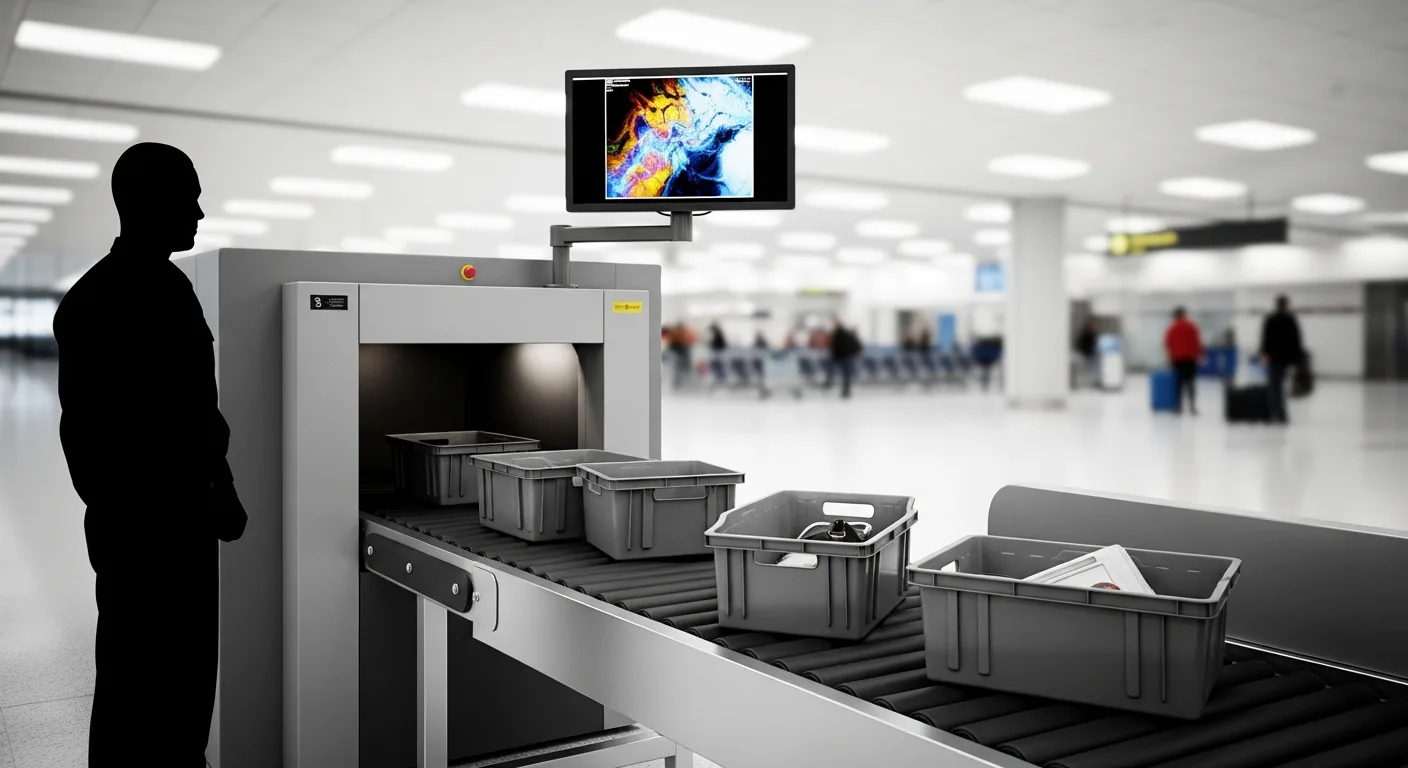
Florida's busy airports, with their mix of tourists, snowbirds, and a state full of legal gun owners, lead the nation in firearms caught at security checkpoints. The story is almost always the same. Someone who carries a handgun legally, who is careful and responsible the other 364 days of the year, packs in a hurry and forgets. The gun goes into the carry-on, the carry-on goes onto the belt, and the X-ray operator sees the unmistakable silhouette of a pistol. From that moment, the traveler's day stops being about a flight and starts being about an arrest.
What makes these cases distinctly stressful is that the person is usually traveling, often away from home, and now facing both a criminal charge and a missed flight. This guide explains exactly what happens at the checkpoint, the charges that follow, the separate TSA penalty, how bail works, and how a lawful owner can protect an otherwise clean record. It is a companion to our broader guide on being arrested at the airport while trying to fly home.
What Happens at the Checkpoint
The sequence is consistent across Florida airports. When TSA spots a firearm in the X-ray image, the screening process halts immediately. The procedure that follows:
- The lane shuts down. The bag is isolated and the traveler is asked to step aside. TSA officers do not make arrests, but they secure the scene.
- Local law enforcement is called. Airport police or the local sheriff's office responds to handle the criminal side.
- The traveler is detained and questioned. Officers determine whether the person has a concealed carry license, whether they are a lawful owner, and the circumstances of how the gun got there.
- An arrest is made. In most cases the traveler is arrested on a state firearm charge and transported for booking, while the firearm is seized as evidence.
The State Charge
The most common criminal charge in these cases is carrying a concealed firearm. For a person without a valid Florida concealed weapons license, this is a third-degree felony. For a licensed carrier who simply forgot the firearm was in the bag, the situation is often more favorable, and prosecutors and courts may treat the genuine mistake differently than deliberate concealment. The specifics matter, and they overlap with the issues covered in our guide to carrying a concealed weapon without a permit.
The Separate TSA Penalty
Beyond the criminal case, TSA imposes its own civil penalty, and this surprises people who assume the arrest is the end of it. TSA can assess a fine that runs into the thousands of dollars for bringing a firearm to a checkpoint, with the amount increasing for loaded weapons or repeat occurrences. The agency can also revoke TSA PreCheck eligibility. This civil penalty is entirely separate from the criminal charge; resolving one does not resolve the other, and a traveler can face both the court case and the TSA fine from the single incident.
Why These Cases Are So Common in Florida
Florida is a perfect storm for checkpoint firearm catches, and understanding why helps explain how an otherwise careful person ends up arrested. The state has a very large population of legal gun owners and a robust concealed carry culture, so far more travelers are routine gun carriers than in many other states. Florida's airports are also among the busiest in the country, moving enormous volumes of tourists, seasonal residents, and business travelers through security every day. Put a high rate of lawful gun ownership together with massive passenger traffic and the math produces a steady stream of forgotten firearms at the X-ray belt.
The common thread in nearly all of these cases is haste rather than intent. The traveler used the bag as a range bag or a daily carry bag, never unpacked it, and grabbed it for a trip without thinking. There was no plan to bring a gun on a plane and no awareness in the moment that the firearm was even there. That distinction, a lapse of memory rather than a deliberate act, is exactly what a defense attorney works to establish, because it is what separates a forgivable mistake from a knowing crime in the eyes of prosecutors and the court.
How Bail Works
For the typical case, a lawful owner who forgot the gun, the bail picture is usually manageable. At first appearance, the judge weighs the charge, the person's clean record, and the apparent lack of any intent beyond a mistake. Common outcomes:
- A reasonable bond, often in the low thousands of dollars, for a felony concealed firearm charge.
- Release on recognizance in some cases for a first-time defendant with a concealed carry license and strong ties.
- Higher bonds when the person is a prohibited possessor, when the weapon was loaded in a way that suggests intent, or when additional charges apply.
Because many of these defendants are travelers from out of state or out of the area, a licensed bail bond agent is often the fastest route to release, posting a surety bond for the standard premium so the person does not spend extra time in custody far from home.
Protecting a Clean Record
For a responsible gun owner, the real stakes are not the bond, which is manageable, but the record. A felony firearm conviction is serious and can affect future gun rights, employment, and more. The encouraging reality is that prosecutors and courts handle genuine-mistake cases involving licensed owners with some flexibility. Pretrial diversion programs, reduction of charges, and other resolutions that avoid a felony conviction are often available to a first-time defendant who clearly made an error rather than concealing a weapon with intent. A criminal defense attorney in the arresting county is the person to pursue those options.
What Travelers and Families Should Do
- Get a bail agent quickly for an out-of-town arrest. A licensed Florida agent can post the bond by phone so the traveler is released without a long stay far from home.
- Hire a local criminal defense attorney. The right resolution, often diversion or a reduction for a licensed owner, requires counsel who knows the local prosecutors.
- Handle the TSA fine separately. Do not ignore the civil penalty; it is a distinct process from the court case and has its own deadlines.
- Say nothing beyond the basics. Cooperate with booking, but do not make statements about the gun or your travel without counsel, even though it feels like an obvious mistake to explain away.
- Learn the lesson for next time. Check every bag before heading to the airport; the entire ordeal comes from a moment of forgetting.
Frequently Asked Questions
What happens if you bring a gun to a Florida airport checkpoint?
TSA stops screening, shuts the lane, and calls local law enforcement. The traveler is detained and usually arrested on a state firearm charge, often carrying a concealed firearm depending on circumstances and license status. Separately, TSA imposes a civil fine that can reach thousands of dollars and may revoke PreCheck. The criminal case and TSA fine are separate consequences.
Is it a felony to bring a gun to the airport in Florida?
It depends. Many cases are charged as carrying a concealed firearm, a third-degree felony for someone without a valid license, but it can be handled more favorably for a licensed carrier who forgot the gun. A prohibited person like a convicted felon faces a far more serious charge. Because the same conduct ranges widely, anyone arrested should have an attorney assess the specific charge.
How much is bail for an airport gun charge in Florida?
For a lawful owner who forgot the gun, bail is usually moderate, often in the low thousands, and many first-time licensed defendants are released on a reasonable bond or recognizance. It rises for prohibited possessors, additional charges, or signs of intent. A licensed agent can post a surety bond for the standard premium once the amount is set.
Arrested at the Airport, Far From Home?
A licensed Florida bail agent can post the bond by phone and get you released fast, wherever you were traveling from. Connect with one now.
Find a Bail Bondsman Now